Stay weird. Heal on your terms.
Neurodivergent-affirming therapy for autistic and ADHD individuals in Berkeley. Compassionate care that celebrates your uniqueness and supports authentic well-being.
Get Started Today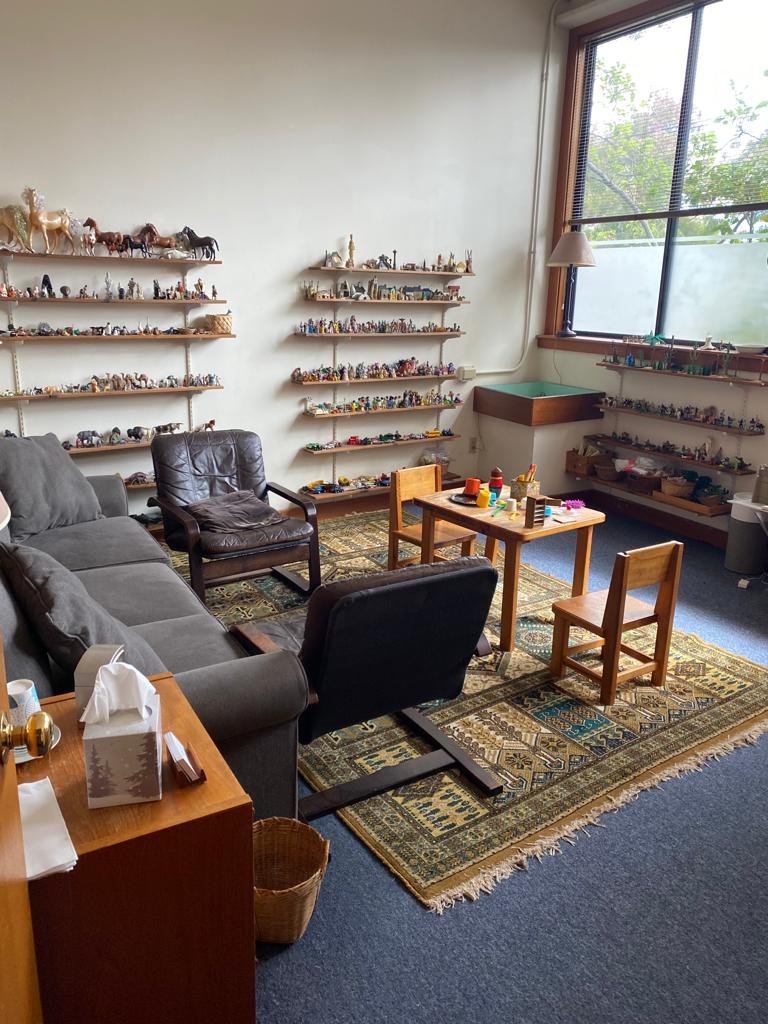
Neurodivergent-affirming therapy for autistic and ADHD individuals in Berkeley. Compassionate care that celebrates your uniqueness and supports authentic well-being.
Get Started Today
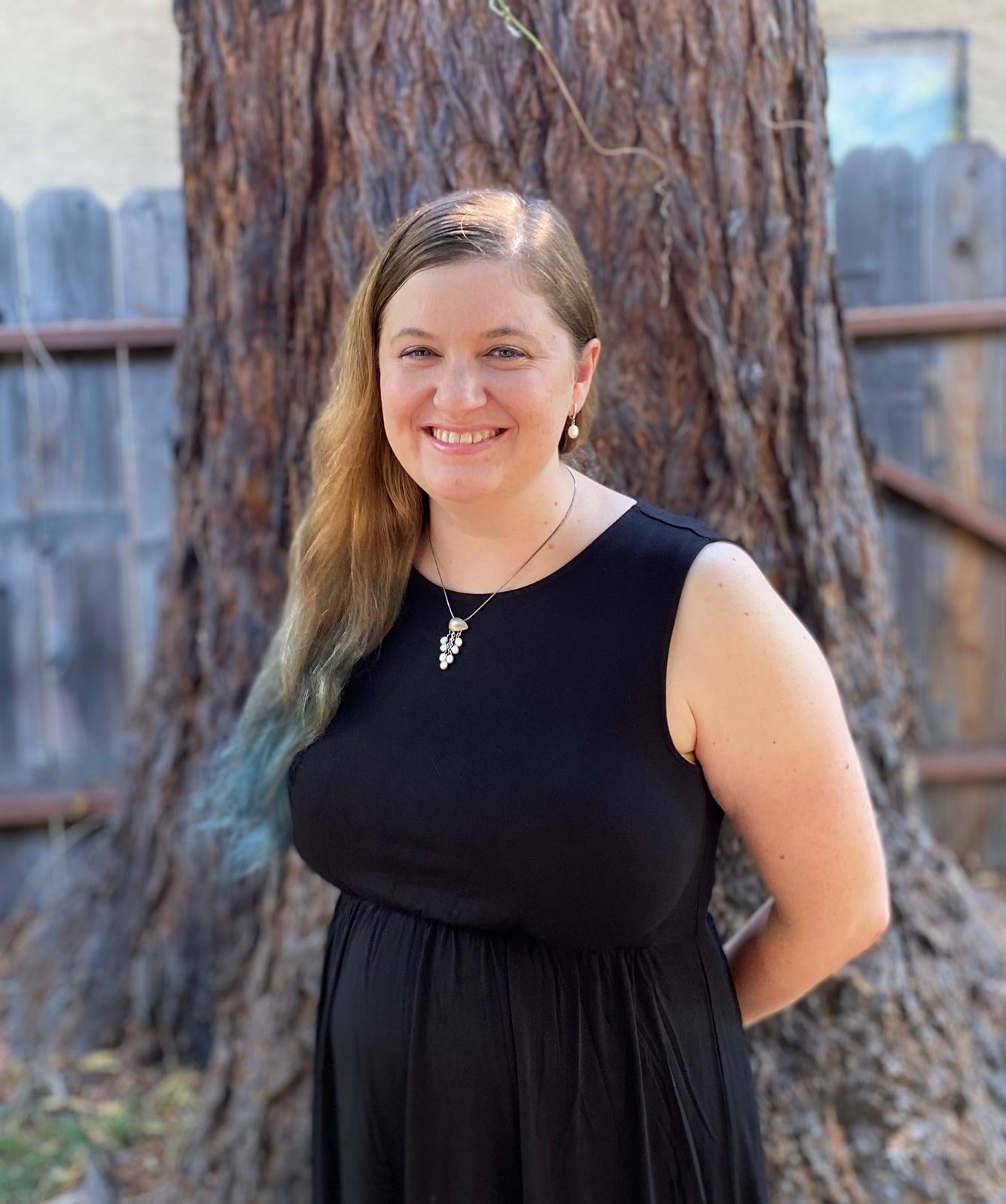
Abigail Stone, LMFT #84143, RDT
she/they
Hi, I'm Abigail. I'm a neurodivergent therapist with over fifteen years of experience supporting neurodivergent individuals and their families in private practice, public and non-public schools, nonprofits, and the foster care system. I spent nine years at The Phillips Academy in Alameda, where I provided individual therapy to neurodivergent middle and high school students.
As a late-diagnosed AuDHD adult (both autistic and ADHD) and the mom of a neurodivergent child, I know firsthand how important it is to feel seen, understood, and respected for who you are. Like any minority group, neurodivergent folks benefit from receiving therapy from people who share their experience and identity. One of the most valuable things I offer is my own lived experience.
Like many of my clients, I have a few strong special interests, autism being one of them (no surprise there!). I'm also passionate about fantasy books, creative writing, theater, and tabletop roleplaying games. Those interests sometimes make their way into sessions when it's a good fit. I trained in Drama Therapy at the California Institute of Integral Studies, and I still carry that mentality with me: curiosity, imagination, and a deep respect for each person's inner world.
As a neurodivergent therapist, I work with clients to improve quality of life in ways that honor their unique traits and diverse neurotypes, not by trying to change who they are. My approach is person-centered, affirming, and eclectic. I draw from talk therapy, expressive arts and drama therapy, sand tray work, and trauma-informed modalities like the Trauma Resiliency Model (TRM), adapting my methods to fit each client's needs.
Many of the people I work with are exploring what it means to be neurodivergent—whether they've had a diagnosis since childhood or are just starting to suspect they might be autistic or ADHD. Together, we look at the messages they've received about their identities, positive and negative, how autism and/or ADHD have shaped their lives and self-concept, and what neurodivergence means to them personally.
We talk about trauma when it's relevant—but also about joy. Many autistic people have experienced trauma, whether from bullying, abuse, systemic harm, or therapies that weren't affirming. Just existing in a world that wasn't built for us can be traumatic. For some clients, this includes healing from experiences with ABA or similar approaches. We work through these things gently, using a mix of talk and body-based practices to help build nervous system safety and resilience.
This world isn't built for us, but we can still live full lives in it, on our own terms. This world pushes narrow ideas of what success is supposed to look like—career paths, marriage, parenting, independence, masking, and constant productivity. I don't buy into those standards, and you don't have to either. We'll talk about what you want your life to look like, not what the world tells you it should be.
In my office, you get to show up as your full self. You can stim, fidget, bring your special interest, take a break, lie on the floor, pace, make eye contact—or not. I'm direct and open, and I aim to create a space where you don't have to perform.
For autistic and ADHD parents, there is an additional set of challenges. Many of my clients came to recognize their own neurodivergence when their child was diagnosed and they began to see the similarities. Many neurodivergent parents work hard to break generational patterns, creating affirming households, supporting their children's nervous systems, and becoming their advocates. At the same time, they're learning to accommodate their own needs, sometimes for the first time. Despite these similarities, the needs of neurodivergent parents and children often clash. We work through this together, honoring both your needs and your child's without treating either as "the problem."
Autistic burnout is different from general burnout. It's the result of prolonged masking, sensory overwhelm, and doing too much for too long. It's a common effect of living in a world not built for you. Many of my clients come to me in the middle of it. They're exhausted, disconnected from themselves and those they care about, and struggling to manage tasks that used to be easy. Recovering from autistic burnout isn't just resting until you feel better. It's a process of recognizing where your life doesn't match up with your needs, and building a sustainable autistic life.
PDA is an autistic profile characterized by an intense need for autonomy. Demands can trigger a nervous system response that feels overwhelming, even when it's something you genuinely want to do. Many PDAers describe feeling stuck between wanting to do something and feeling unable to do it once it becomes an expectation. Parents of PDA children often find that traditional behavior-based approaches make things worse rather than better. In therapy, we work collaboratively rather than relying on pressure or compliance. Together, we explore ways to reduce demand, increase flexibility, and create more room for choice, agency, and self-understanding.
Berkeley, CA (In-person sessions available)
Online sessions via HIPAA-compliant platform
By appointment
I offer a free 30-minute initial consultation so we can explore whether we're a good fit for working together.